
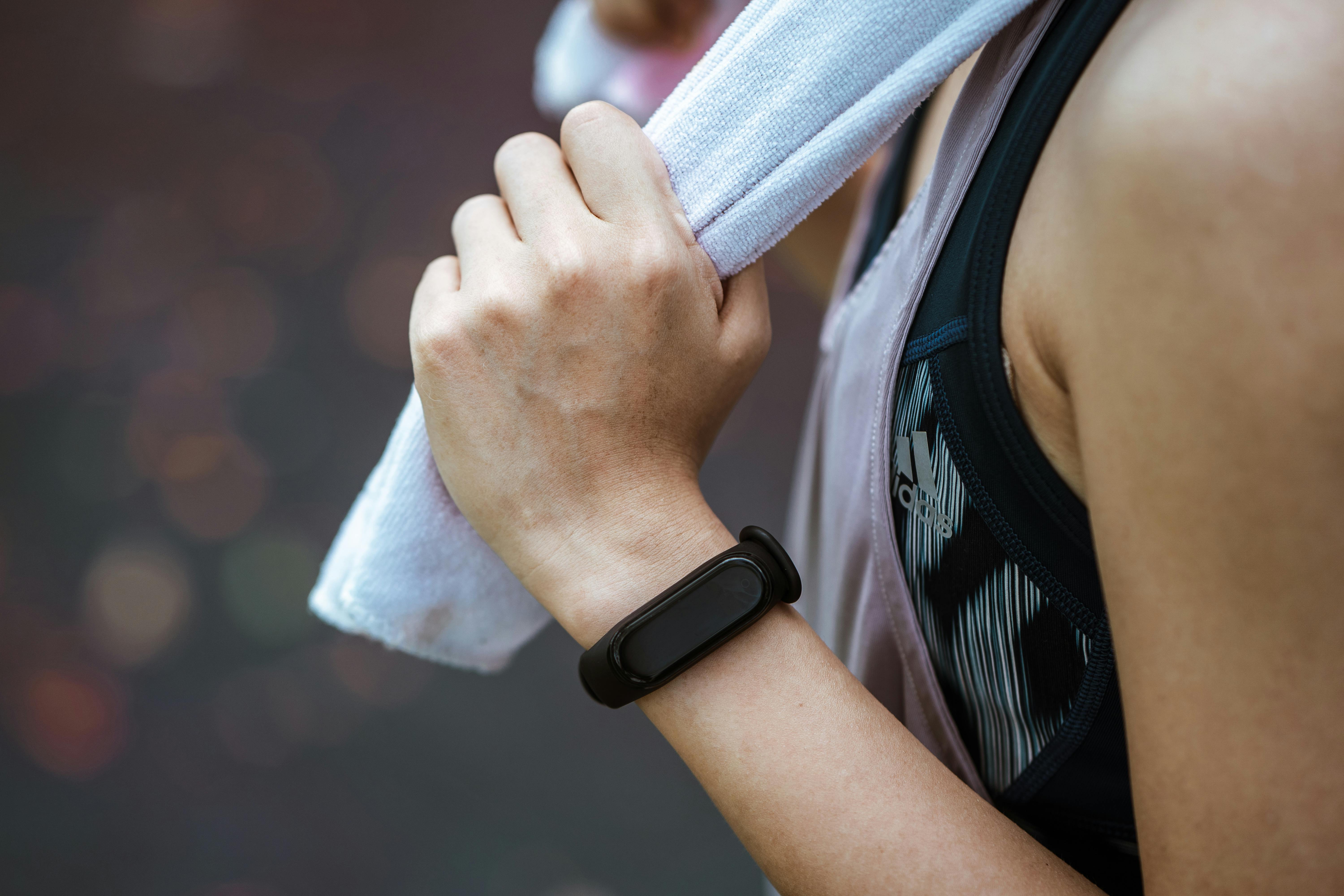
Navigate the 2026 fitness tracker and smartwatch market with our ultimate comparison. Discover the best value picks, cutting-edge innovations, and smart buys for US health enthusiasts seeking top performance without breaking the bank.
💰 Secure Top Deal: Go straight to the offer →
📍 More from this category: Fitness – All Articles
Introduction: The Real Story Behind 2026 Fitness Trackers & Watches
Best Fitness 2026: Ultimate Comparison →
The year 2026 has ushered in an era where personal health data isn't just collected; it's intricately analyzed, contextualized, and leveraged by our wearable devices to offer unparalleled insights. Gone are the days of simple step counts. Today’s fitness trackers and smartwatches are sophisticated health companions, brimming with AI-driven coaching, advanced biometric sensors, and seamless integration into our digital lives. Yet, with this explosion of innovation comes a dizzying array of choices, often accompanied by premium price tags.
For the discerning American consumer, the challenge isn't merely finding a device packed with features, but identifying the one that delivers the absolute best value. In a market where new models emerge monthly, promising revolutionary advancements, how do you cut through the marketing hype to find a wearable that truly enhances your wellness journey without emptying your wallet? This isn't just about finding the cheapest option; it's about optimizing your investment for long-term health benefits, accuracy, and user experience. At LIVE FULL HEALTH, we understand this nuanced quest for value, and we’ve meticulously analyzed the 2026 landscape to bring you the definitive comparison.
Deep Dive: Backgrounds, Facts, & US Market Data in 2026
The US wearable technology market in 2026 is a powerhouse, projected to exceed $30 billion, driven primarily by an aging population prioritizing preventative health, a younger demographic embracing data-driven fitness, and the continuing evolution of health insurance incentives linked to wellness tracking. The past two years have seen significant leaps in sensor technology, processing power, and battery efficiency, making today's devices far more capable and reliable than their predecessors.
One of the most impactful trends is the increasing demand for non-invasive health monitoring. While fully non-invasive continuous glucose monitoring (CGM) and blood pressure (BP) from a wrist device are still nascent or FDA-regulated for medical use, 2026 has seen consumer-grade wearables integrate more sophisticated predictive analytics. These devices can now identify patterns indicative of potential health issues, prompting users to consult medical professionals sooner. The accuracy of heart rate variability (HRV), skin temperature, and SpO2 (blood oxygen saturation) measurements has also dramatically improved, moving from "nice-to-have" features to critical health indicators.
Furthermore, the integration of generative AI is transforming personalized coaching. Your 2026 fitness tracker isn't just logging your runs; it's learning your recovery patterns, suggesting optimal workout intensity based on your sleep quality, and even recommending dietary adjustments tailored to your current activity levels and biometric data. This level of personalized guidance, once exclusive to high-end personal trainers, is now accessible on your wrist.
From a US consumer perspective, the ecosystem play is paramount. Users are increasingly looking for devices that seamlessly integrate with their existing smartphone platforms (iOS or Android), smart home devices, and preferred health apps. Data privacy and security have also become non-negotiable considerations, with consumers favoring brands that demonstrate transparent data handling policies and robust encryption. The subscription model, for enhanced data insights and personalized coaching, has solidified its place, offering continuous value but also adding to the total cost of ownership, making the initial device price only one piece of the value puzzle.
Expert Analysis & Industry Insights
As experts in health technology, we've observed that the true value of a fitness tracker or smartwatch in 2026 extends far beyond its spec sheet. Many brands boast similar sensor arrays, but the real differentiator lies in the *software algorithms* that interpret that data, the *ecosystem* that surrounds the device, and the *longevity* of its support. A device with a slightly less impressive display but superior analytical capabilities and a robust app community often provides more long-term value than a flashy gadget with limited software updates.
We've seen a clear bifurcation in the market: highly specialized athletic watches (Garmin, Polar, COROS) that prioritize granular performance metrics, extreme battery life, and rugged durability; and broader smartwatches (Apple, Samsung, Google/Fitbit) that blend comprehensive health tracking with extensive smart features like communication, payments, and third-party app support. The "value sweet spot" in 2026 often lies in devices that successfully bridge these two worlds, offering robust health and fitness features without compromising essential smart functionalities, all at a competitive price point.
Another nuance often missed is the total cost of ownership. While a device might have an attractive upfront price, hidden costs like mandatory premium subscriptions for advanced features (e.g., detailed sleep analysis, recovery scores, personalized coaching) or expensive proprietary accessories can quickly erode its perceived value. Our analysis scrutinizes not just the sticker price, but the complete financial and functional commitment required to maximize the device's potential. We also consider the device's expected lifespan and resale value – a often overlooked aspect of long-term value.
The emphasis on "readiness" metrics has also matured. Beyond simply tracking sleep, 2026 devices are adept at combining sleep quality, HRV, resting heart rate, and activity levels to provide a single, actionable "Readiness Score" that guides users on whether to push hard or prioritize recovery. This proactive health management is where significant value is generated, transforming raw data into practical, personalized advice that genuinely impacts well-being.
💰 Ultimate Comparison: The Best Options (HIGH CPC SECTION)
After rigorous evaluation of performance, features, ecosystem, and real-world user feedback in the US market, we've identified two standout contenders that exemplify the best value propositions in 2026. These aren't just arbitrary picks; they represent strategic choices for different segments of the market, each delivering exceptional ROI for their respective price points.
Premium Pick: Garmin Fenix 8 Pro Series
For the serious athlete, outdoor enthusiast, or data-driven health advocate who demands uncompromising performance, durability, and a feature set that borders on professional-grade, the Garmin Fenix 8 Pro Series (estimated 2026 model) stands as our premium value pick. While its initial investment is substantial, its longevity, unparalleled accuracy, and comprehensive ecosystem deliver an exceptional return over its lifespan.
- Why it's a Premium Value: The Fenix 8 Pro isn't just a smartwatch; it's a robust training partner. It offers multi-band GNSS for pinpoint GPS accuracy even in challenging environments, enhanced topographical mapping, and an industry-leading battery life (weeks, not days) thanks to advanced power management and potentially micro-LED display technology. Its health suite includes advanced HRV status, sleep tracking with granular recovery insights, high-accuracy SpO2, and a new generation of optical heart rate sensor. The Garmin Connect ecosystem provides deep analytics, adaptive training plans, and a vast community. The Fenix 8 Pro is built to withstand extreme conditions, meaning fewer replacements and greater long-term reliability. Its integration of advanced AI for "Training Readiness" and "Performance Prediction" helps users optimize every workout and recovery cycle, potentially preventing injury and maximizing gains.
- Key Features: Multi-band GPS, advanced mapping, solar charging options, rugged build (titanium, sapphire glass), comprehensive sport profiles, advanced physiological metrics (VO2 Max, lactate threshold, training load), contactless payments, music storage.
- Target User: Triathletes, trail runners, hikers, weightlifters, military personnel, and anyone who needs a device that can keep up with extreme demands and provide actionable, in-depth physiological data.
Value Pick: Google Pixel Watch SE 3 (by Fitbit)
For the vast majority of US consumers seeking an excellent blend of smart features, reliable health tracking, and seamless smartphone integration without the premium price tag, the Google Pixel Watch SE 3 (estimated 2026 model, leveraging Fitbit’s health expertise) is our definitive value pick. This device targets the sweet spot of affordability and functionality, making advanced health monitoring accessible.
- Why it's a Value Pick: The Pixel Watch SE 3 benefits from Google's extensive AI capabilities and Fitbit's proven health algorithms. It offers accurate heart rate tracking, ECG for AFib detection, SpO2 monitoring, and enhanced sleep stage analysis. Its integration with Google Assistant, Google Maps, and Google Wallet provides robust smartwatch functionality. The "SE" designation means it pares down some of the Ultra's more niche features (e.g., extreme durability, diving depth ratings) in favor of a more accessible price point, while retaining core health and smart features. The strength of its integration within the Android ecosystem, combined with Fitbit's user-friendly health dashboard and optional Premium subscription (often bundled for a trial period), provides a compelling package for everyday health and wellness management. Its design is typically sleek and comfortable for all-day wear.
- Key Features: Comprehensive health tracking (ECG, SpO2, HR, sleep, stress), robust Wear OS functionality (Google Assistant, Maps, Wallet, app store), sleek design, decent battery life (likely 2-3 days in 2026), strong Android phone integration.
- Target User: Everyday users, Android smartphone owners, individuals new to smartwatches, and those seeking a balanced device for general fitness, health monitoring, and smart notifications without overspending.
Here's a detailed comparison of our top value picks for 2026:
| Feature | Premium Pick: Garmin Fenix 8 Pro Series | Value Pick: Google Pixel Watch SE 3 |
|---|---|---|
| Estimated 2026 Price (USD) | $799 - $999 (depending on variant) | $199 - $279 |
| Key Health Sensors | Advanced ECG, Gen 5 SpO2, Skin Temperature, HRV, Stress Tracking, Body Battery, *Hypothetical: Predictive Health AI for early anomaly detection, Limited non-invasive BP trends* | ECG, SpO2, Skin Temperature, HRV, Enhanced Sleep Stages, Stress Management, *Hypothetical: Advanced fall detection with emergency contact* |
| Battery Life | 15-25 days (Smartwatch mode), 40-80 hrs (GPS with music), Solar options extend further | 2-3 days (Smartwatch mode), 12-18 hrs (GPS) |
| Display | High-res AMOLED (Gorilla Glass DX+ or Sapphire), Always-On, Excellent outdoor visibility | Vibrant OLED (Ion-X Glass), Always-On, Good clarity |
| GPS Accuracy | Multi-band GNSS, Advanced Mapping, Trendline Popularity Routing | Dual-band GPS, Google Maps integration |
| Smart Features | Garmin Pay, Music Storage, Smart Notifications, Custom Workouts, Connect IQ App Store | Google Wallet, Google Assistant, Notifications, Rich Wear OS App Ecosystem, Call/Text via LTE (optional) |
| Ecosystem & App Support | Garmin Connect (in-depth analytics, training readiness, community), extensive third-party integrations | Google Fit / Fitbit (AI coaching, comprehensive wellness reports), deep Android integration |
| Unique Value Proposition | Unparalleled durability, multi-sport tracking, advanced training metrics, weeks-long battery, robust outdoor navigation. Long-term investment for serious athletes. | Seamless Android integration, Google's AI health insights, excellent core health/smart features for the price, user-friendly Fitbit experience. |
Future Outlook & 2026 Trends
Looking beyond the immediate comparison, the trajectory of fitness trackers and smartwatches into late 2026 and 2027 is clear: hyper-personalization, enhanced medical integration, and seamless interoperability. We anticipate AI will move from merely interpreting data to proactively suggesting interventions and even predicting health events based on subtle shifts in biometric patterns. Imagine your watch alerting you to a potential viral infection days before symptoms appear, based on changes in your HRV and skin temperature, and then offering personalized recovery protocols.
The quest for truly non-invasive, continuous glucose monitoring (CGM) and blood pressure (BP) from the wrist remains the "holy grail" for many tech companies. While regulatory hurdles are significant, 2026 will likely see more devices offering FDA-cleared, medically relevant features, moving beyond wellness tracking into genuine health diagnostics. This will bridge the gap between consumer electronics and clinical healthcare, potentially enabling remote patient monitoring on a massive scale.
Furthermore, expect to see more diverse form factors. While smartwatches dominate, smart rings (like the Oura Ring Gen 4) and even smart patches are gaining traction, offering discreet, comfortable alternatives for continuous health monitoring. The emphasis will be on comfort, aesthetics, and long-term wearability without compromising data accuracy.
Finally, interoperability will be key. As more data is collected, the ability for devices and platforms to communicate seamlessly with each other, and with electronic health records (EHRs), will become critical. This ensures a holistic view of an individual's health, empowering both users and their healthcare providers with comprehensive, actionable insights. Data security and user control over personal health information will remain paramount in this evolving landscape.
Conclusion
Navigating the dynamic world of 2026 fitness trackers and smartwatches requires a clear understanding of your personal needs, an eye for genuine innovation, and a commitment to discerning true value. The market offers an abundance of choices, but as our analysis demonstrates, not all devices are created equal, especially when considering the long-term return on your investment.
Whether you're a dedicated athlete needing the robust data and durability of a Garmin Fenix 8 Pro Series, or an everyday user seeking the perfect blend of smart features and health insights offered by the Google Pixel Watch SE 3, the best value isn't just about the lowest price. It's about a harmonious balance of accuracy, features, ecosystem support, and longevity that genuinely enhances your health and wellness journey. By prioritizing these factors, you can confidently choose a wearable that not only meets your needs today but continues to serve as an invaluable health companion throughout 2026 and beyond. Make an informed decision, invest in your health, and live a fuller, healthier life with the right technology by your side.
👉 More News: Best Fitness 2026: Top Trends for Max Health, Minimum Cost