
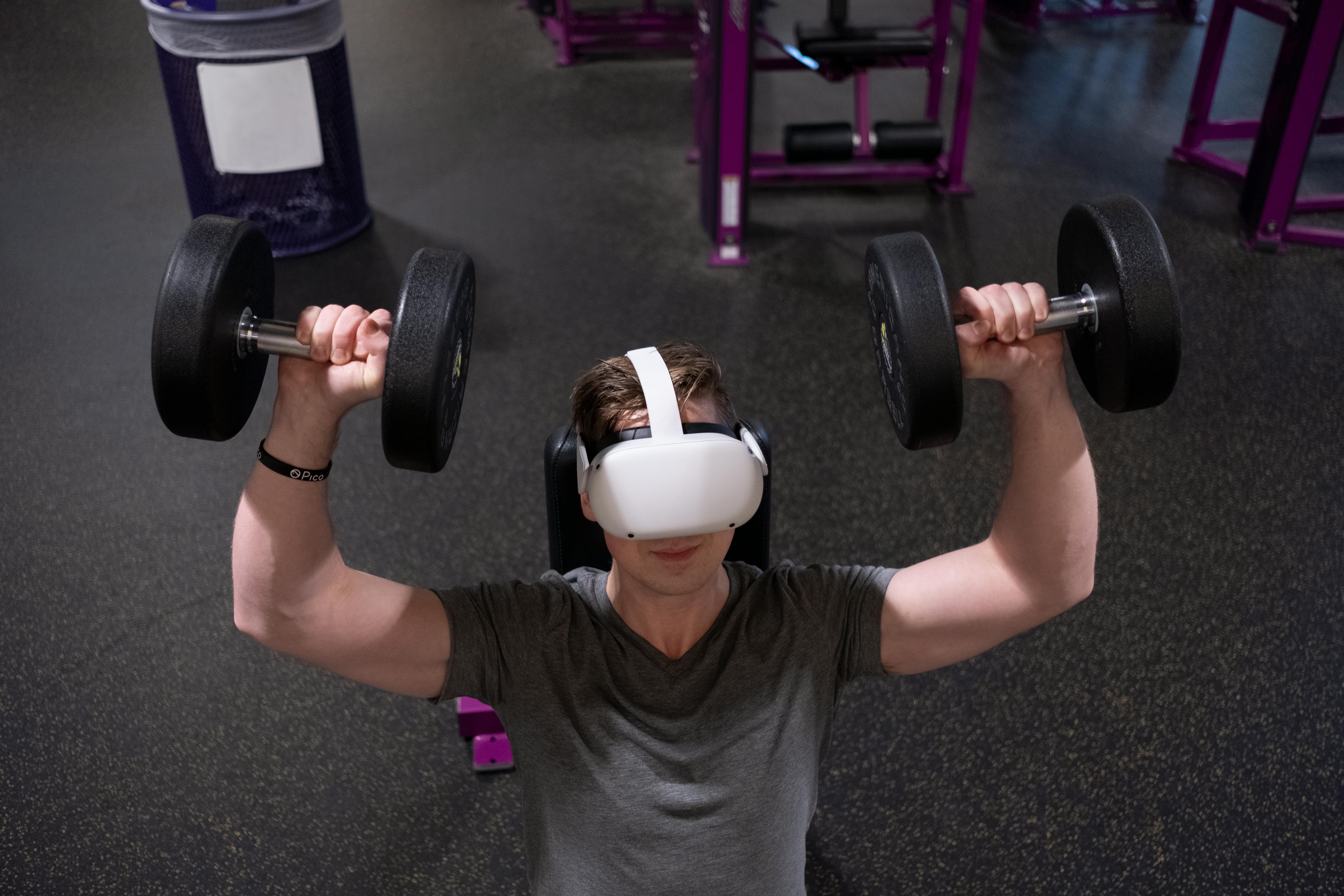
Discover the Best Fitness 2026 trends for max health, minimum cost. Unlock affordable wellness strategies and top US health insights for a stronger you.
💰 Secure Top Deal: Go straight to the offer →
📍 More from this category: Fitness – All Articles
Introduction: The Real Story Behind Affordable Peak Health in 2026
Best Fitness 2026: Ultimate Comparison →
The year is 2026, and the landscape of health and fitness has evolved dramatically. For many Americans, the pursuit of peak physical and mental well-being often feels like a luxury, burdened by escalating gym memberships, high-tech gadgets, and personalized coaching that can strain even a healthy budget. But what if we told you that maximizing your health doesn't have to mean minimizing your savings? What if the most impactful fitness trends for 2026 are precisely those that deliver superior results without the exorbitant price tag?
At LIVE FULL HEALTH, we understand the core dilemma facing millions: how to navigate a world where wellness is paramount, yet financial pressures are ever-present. This isn't about cutting corners; it's about smart, strategic choices that leverage innovation, community, and foundational principles to achieve truly transformative health. We're cutting through the noise of fleeting fads to reveal the enduring, cost-effective strategies that will define the best fitness for 2026, ensuring you can live fully, healthily, and financially intelligently.
Deep Dive: Backgrounds, Facts, & US Market Data Shaping 2026 Fitness
The fitness industry in 2026 is a dynamic ecosystem, significantly shaped by economic realities, technological advancements, and a deepened understanding of holistic well-being. Post-pandemic shifts have solidified a consumer demand for both flexibility and value, pushing providers to innovate beyond traditional models. According to projected market analyses, the US fitness and wellness industry is expected to exceed $200 billion by 2026, yet a significant portion of this growth is driven by accessible, technology-enabled solutions and a renewed focus on preventative health rather than high-cost, exclusive services.
One critical factor is the persistent inflation and economic uncertainty that has shifted American household budgets. Consumers are scrutinizing discretionary spending more than ever, making "minimum cost" a non-negotiable criterion for many. This doesn't mean a compromise on quality; rather, it fuels a demand for transparency, demonstrable ROI, and services that integrate seamlessly into busy, budget-conscious lifestyles. We're seeing a pivot from lavish, equipment-heavy gyms to hybrid models that blend digital convenience with community engagement, often at a fraction of the price.
Furthermore, the ubiquity of smartphones and advancements in AI have democratized access to personalized health data and coaching. What was once the exclusive domain of elite athletes or those with deep pockets is now available to the masses through sophisticated apps and affordable wearables. This technological leap has empowered individuals to take greater ownership of their health journeys, moving away from passive consumption of fitness services to active participation in data-driven self-improvement. The focus has broadened from purely aesthetic goals to longevity, mental resilience, and disease prevention, reflecting a more mature and informed consumer base in 2026.
Another compelling trend is the surge in preventative health consciousness. With rising healthcare costs in the US, Americans are increasingly viewing fitness not just as a leisure activity but as a crucial investment in long-term health, aiming to reduce future medical expenses. This mindset drives demand for fitness solutions that emphasize recovery, stress reduction, and functional movement, rather than just high-intensity training. The market is responding with offerings that integrate mindfulness, sleep optimization, and accessible nutritional guidance, all while keeping cost-effectiveness in mind.
Expert Analysis & Industry Insights: Unpacking 2026's Smartest Health Moves
At LIVE FULL HEALTH, our team of strategists and health experts has meticulously analyzed the undercurrents shaping the 2026 fitness landscape. What many miss is that the most impactful trends aren't just about what's new, but what's *sustainable* and *accessible*. The true genius of 2026's best fitness lies in its ability to deliver maximum health outcomes with minimum financial strain, often by leveraging existing resources or smart, scalable technologies.
The Rise of Hyper-Personalized AI Coaching (Affordable Edition)
Gone are the days when a personal trainer was the only path to tailored fitness. By 2026, AI-driven coaching platforms have matured significantly. These aren't just glorified workout libraries; they use sophisticated algorithms to analyze your wearable data, sleep patterns, dietary input, and even mood, adapting your workout and recovery plans in real-time. The "affordable edition" means these services offer tiered subscriptions, often starting at under $15-$25 a month, providing a level of personalization that was once hundreds of dollars. They democratize access to expert-level guidance, making it a cornerstone of accessible fitness.
Micro-Workouts & Exercise Snacking: Time and Cost Efficiency
The American workday remains demanding, making dedicated 60-minute gym sessions a luxury for many. 2026 sees the widespread adoption of "micro-workouts" – short, intense bursts of activity (5-15 minutes) scattered throughout the day. Think desk stretches, quick bodyweight circuits during a lunch break, or a brisk walk between meetings. This trend isn't just about time efficiency; it's inherently cost-effective. It requires minimal to no equipment, leverages existing environments (office, home, park), and integrates movement organically, reducing reliance on expensive gym memberships or specialized classes. The cumulative effect of these "exercise snacks" on metabolic health, energy levels, and mental clarity is profoundly underestimated by those focused solely on traditional workout structures.
Community-Driven & Hybrid Fitness Models
Humans are social creatures, and the craving for connection has only intensified. In 2026, community-driven fitness has evolved beyond local running clubs. We're seeing sophisticated hybrid models where online communities (think Discord servers for fitness enthusiasts, app-based group challenges) seamlessly integrate with local, often free or low-cost, meet-ups (park workouts, community center classes, volunteer-led hiking groups). These models reduce the overhead costs associated with brick-and-mortar gyms while fostering accountability and camaraderie. Many platforms operate on a freemium model, offering basic community access for free and premium features (like expert-led challenges) for a small fee, making them incredibly budget-friendly.
"Biohacking Lite": Actionable Data for the Masses
While extreme biohacking remains niche, 2026 brings "Biohacking Lite" to the mainstream. This focuses on leveraging affordable wearable technology (smartwatches, basic rings) and accessible diagnostic tools (at-home blood sugar monitors, simplified gut health kits) to gain actionable insights into one's body. The goal isn't radical transformation but optimization – understanding how diet, sleep, and activity impact personal well-being. These devices, now more affordable and accurate than ever, empower individuals to make data-driven decisions about their health without expensive clinic visits or complex lab tests. Understanding your sleep score or daily activity trend can lead to simple, free behavioral changes with significant health benefits.
Preventative & Restorative Fitness: The Longevity Play
The shift towards preventative health is accelerating. In 2026, fitness isn't just about burning calories; it's about building resilience, managing stress, and enhancing longevity. This translates into increased interest in restorative practices like accessible yoga and Pilates (often available through free YouTube channels or low-cost apps), guided meditation, and functional mobility exercises. These practices, frequently requiring minimal or no equipment, are crucial for mitigating the effects of sedentary lifestyles and reducing the risk of injuries and chronic diseases, ultimately saving on future medical costs. The focus is on quality of movement and mental well-being, not just intensity.
Outdoor & Bodyweight Fitness Renaissance
Sometimes the best solutions are the simplest. 2026 marks a true renaissance for outdoor and bodyweight fitness. Parks, trails, and public spaces are being utilized more than ever for workouts that are completely free. From simple push-ups and squats to advanced calisthenics, bodyweight training builds strength, endurance, and flexibility effectively without any gym fees. Coupled with the mental health benefits of exercising outdoors – reduced stress, improved mood, and increased vitamin D exposure – this trend offers a holistic, zero-cost pathway to peak health. City planners are also investing more in public fitness equipment and green spaces, making outdoor activity even more accessible.
💰 Ultimate Comparison: The Best Options for 2026 Fitness (HIGH CPC SECTION)
Navigating the myriad of fitness options in 2026 can be daunting, especially when aiming for maximum health with minimum cost. Here, we break down the top approaches, categorizing them into a "Premium Pick" for those seeking comprehensive, integrated solutions and a "Value Pick" for the most budget-conscious, yet highly effective, strategies. This section is designed to help high-intent users make informed purchasing decisions and understand the true ROI of their wellness investments.
Premium Pick: The Integrated AI Wellness Ecosystem
For those willing to invest a moderate monthly fee for unparalleled personalization and convenience, the Integrated AI Wellness Ecosystem represents the pinnacle of 2026 fitness. These platforms go beyond basic workout tracking, offering a holistic approach that includes AI-driven personal training, nutrition planning, sleep optimization, stress management, and even mental wellness modules. They typically integrate seamlessly with a wide range of wearables (often included or offered at a discount), providing a 360-degree view of your health data to continuously refine your plan.
- **Key Features:** Highly personalized daily workout plans (adaptive to performance and recovery), AI-powered meal planning with grocery lists, guided meditation and sleep programs, smart wearable integration, progress analytics, optional human coach check-ins.
- **Cost Range:** $40-$80 per month (often with annual discounts).
- **Best For:** Individuals seeking comprehensive, data-driven wellness solutions who value convenience and deep personalization, and are willing to invest in a unified platform.
Value Pick: The Community-Driven Outdoor & Bodyweight Hybrid
For individuals prioritizing cost savings without sacrificing results or motivation, the Community-Driven Outdoor & Bodyweight Hybrid is an unbeatable option. This approach leverages free public resources and the power of social connection. It involves utilizing local parks, trails, and community centers for bodyweight exercises, running, hiking, and group activities. The "hybrid" aspect comes from integrating free or low-cost fitness apps for tracking, guided workouts, and connecting with online communities for challenges and support. This model is ideal for those who thrive on self-motivation and social interaction.
- **Key Features:** Zero-cost workouts using bodyweight and public spaces, access to free fitness apps (e.g., Nike Training Club, Peloton App Free Tier), participation in local running/walking clubs or online community challenges, emphasis on outdoor activity and mental well-being.
- **Cost Range:** $0-$15 per month (for optional premium app features or occasional community event fees).
- **Best For:** Budget-conscious individuals who enjoy outdoor activities, seek social motivation, and are comfortable with self-guided or community-led fitness.
Here's a detailed comparison to help you weigh your options:
| Feature/Option | Integrated AI Wellness Ecosystem (Premium Pick) | Community-Driven Outdoor & Bodyweight Hybrid (Value Pick) | Subscription-Free On-Demand Platforms (Alternative) |
|---|---|---|---|
| Cost Range (USD/Month) | $40 - $80 | $0 - $15 | $0 - $25 (for single platform access) |
| Key Features | AI-driven personalized plans (workouts, nutrition, sleep, mindfulness), wearable integration, progress tracking, optional human coaching. | Free bodyweight exercises, outdoor activity, local/online community support, basic app tracking. | Vast library of workout videos (yoga, HIIT, strength), diverse instructors, self-paced. |
| Personalization Level | High (adaptive AI, data-driven) | Low (self-guided, community inspiration) | Medium (choose by goal/level, but not adaptive) |
| Convenience | Very High (all-in-one platform, home or gym) | Medium (requires planning for outdoor/group sessions) | High (workout anytime, anywhere with internet) |
| Equipment Needed | Minimal to moderate (can integrate gym equipment) | None (bodyweight, nature) | Minimal (mat, light weights optional) |
| Social/Community Aspect | Moderate (app-based forums, optional coaching) | High (local groups, online challenges) | Low (individual viewing) |
| Pros | Holistic, highly personalized, convenient, data-driven optimization. | Extremely low cost, mental health benefits of outdoors, strong community support, builds self-discipline. | Wide variety, expert instruction, flexible scheduling, explore different modalities. |
| Cons | Higher monthly cost, requires commitment to data input. | Less structured, weather dependent for outdoors, requires self-motivation. | Lack of personalization, can be overwhelming with choices, no direct feedback. |
| Best For | Individuals seeking comprehensive, integrated wellness; data enthusiasts; those needing structured guidance. | Budget-conscious individuals; outdoor enthusiasts; those seeking social connection and mental well-being benefits. | Those who enjoy variety; self-starters; individuals with limited time for structured classes. |
Future Outlook & 2026 Trends: Sustaining Health in a Changing World
Looking beyond the immediate trends, 2026 sets the stage for even more profound shifts in how we approach health and fitness. The emphasis on "Max Health, Minimum Cost" isn't a temporary fad; it's becoming an entrenched philosophy, driven by both consumer demand and technological capability.
We anticipate a further convergence of health data. Your fitness tracker, smart scale, sleep monitor, and even smart home devices will speak a common language, feeding into sophisticated AI models that offer predictive health insights. Imagine an AI proactively suggesting dietary adjustments based on your impending allergy season or recommending specific exercises to prevent a recurring ache it's detected in your movement patterns. These services will become increasingly affordable, moving from premium subscriptions to integrated features within broader wellness apps or even as part of employer wellness programs.
The concept of "health equity" will also gain significant traction. As technology makes personalized health more accessible, there will be a strong push to ensure these benefits reach underserved communities. Government initiatives and non-profit organizations are likely to partner with tech companies to provide subsidized access to AI coaching, affordable wearables, and community fitness programs, ensuring that socio-economic status is less of a barrier to optimal health outcomes.
Furthermore, mental fitness will continue its ascent, becoming an inseparable component of overall well-being. Affordable access to mindfulness apps, digital therapy tools, and stress-reduction programs will be as commonplace as physical workout routines. The integration of virtual reality (VR) and augmented reality (AR) will also mature, offering immersive, gamified fitness experiences that are engaging and cost-effective, allowing users to "travel" to exotic workout locations or participate in virtual group classes from the comfort of their homes.
Finally, the focus on sustainable fitness – both for the individual and the planet – will intensify. This means a greater emphasis on locally sourced, plant-forward nutrition advice, eco-friendly fitness gear (if any), and outdoor activities that foster a connection with nature. The best fitness of 2026 is not just about personal gain; it's about a healthier planet and a healthier, more connected society.
Conclusion: Your Path to Max Health, Minimum Cost in 2026
The year 2026 offers an exciting and empowering vision for health and fitness. It's a future where maximizing your well-being doesn't require a hefty investment, but rather smart choices, leveraging technology, and embracing community. From the adaptive intelligence of AI coaching to the refreshing simplicity of outdoor bodyweight workouts, the trends are clear: personalization, accessibility, and holistic well-being are no longer exclusive, but democratized.
At LIVE FULL HEALTH, our expert analysis confirms that the path to peak health in 2026 is paved with innovation and practicality. Whether you opt for the integrated sophistication of an AI wellness ecosystem or embrace the vibrant, cost-free energy of community-driven outdoor fitness, the power to transform your health is firmly in your hands. It's about being informed, making intentional choices, and understanding that the greatest investment you can make is in yourself – wisely and effectively. Step into 2026 with confidence, knowing that a life of full health and financial freedom is not just a dream, but an achievable reality.
👉 More News: Best Diet 2026: Nutrition Cost Guide for Max Savings