
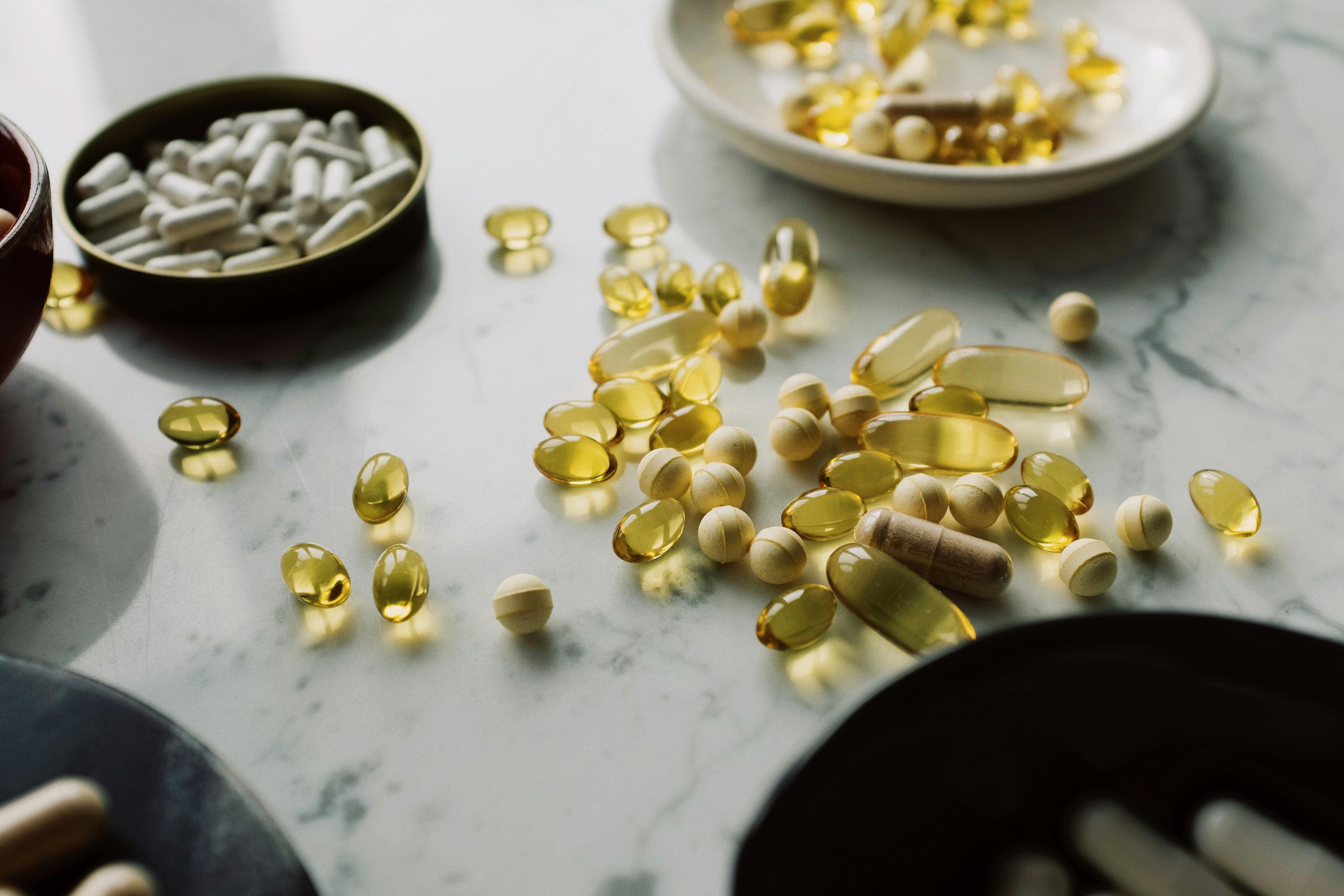
Supplement bottles frequently carry a seal from an organization that is neither the manufacturer nor a government agency. Those programs exist because of how the American regulatory framework treats these products.
Supplements are not approved before sale
In the United States, dietary supplements are regulated as a category of food rather than as drugs. Manufacturers do not submit products for approval before marketing them.
Responsibility for safety and for the accuracy of labeling rests with the manufacturer. Regulators generally act after a product reaches the market and a problem is identified.
This differs sharply from prescription medicines, where efficacy and manufacturing quality must be demonstrated to a regulator before a product can be sold at all.
Manufacturing rules exist but are verified differently
Federal rules do require supplement makers to follow good manufacturing practices covering identity, purity, strength and composition of what they produce.
Compliance is checked through facility inspections rather than product-by-product approval, so the frequency of oversight depends on regulatory resources and priorities.
The gap this leaves is not about whether rules exist. It is about how a purchaser at a store shelf can tell whether a specific product met them.
What an independent program actually checks
Verification organizations typically test whether the ingredients listed are present at the amounts stated, and whether contaminants such as heavy metals or microbes exceed limits.
Some programs additionally screen for substances banned in competitive sport, which matters for athletes subject to testing under organizational rules.
Programs vary in scope, and some audit manufacturing facilities as well as finished products. The seal indicates which program was used, not a universal standard.
A seal is a statement about contents, not effects
Verification confirms that a capsule contains what the label says. It makes no claim about whether the ingredient does anything useful for the person taking it.
This is a persistent misreading. Products with strong evidence behind them and products with none can carry identical verification marks.
Botanical products present an extra complication, because identifying a plant species and its constituents is harder than measuring a single defined compound.
Where the decision needs a clinician
Supplements interact with prescription medicines through shared metabolic pathways, and some affect bleeding, blood pressure or the absorption of other drugs.
Anyone taking prescribed medication, pregnant, or managing a chronic condition should review supplement use with a physician or pharmacist rather than relying on a package seal.
The seal answers a narrow question about product contents, which is genuinely useful information as long as it is not read as answering a broader one.