
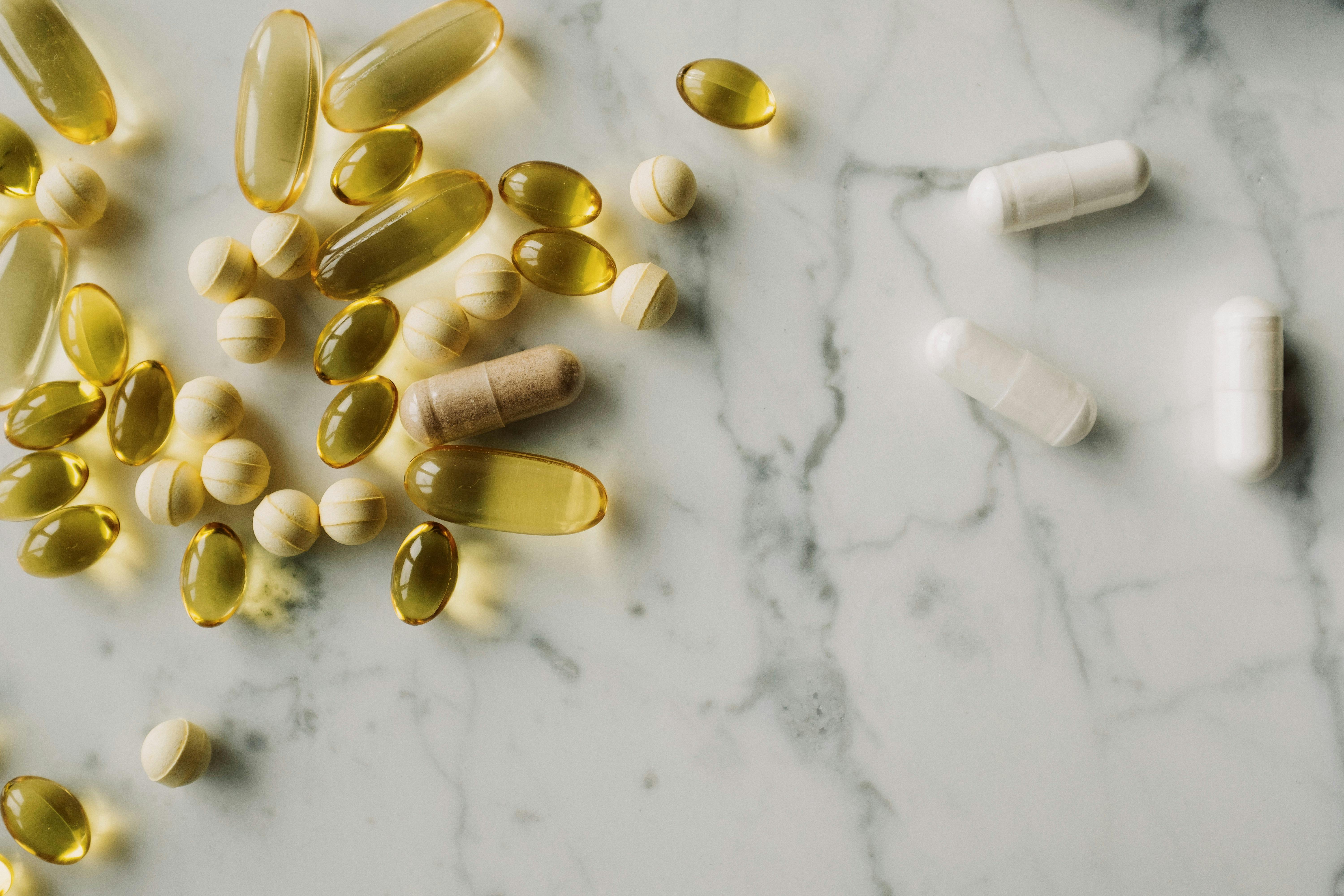
Two bottles of the same herbal product can differ substantially in composition. The variation is not necessarily a manufacturing failure; it follows from what a botanical ingredient actually is.
A plant produces a mixture, not a compound
A pharmaceutical ingredient is typically a single defined molecule made to a specification. A botanical ingredient is the collection of compounds a plant happened to produce.
Those compounds often number in the hundreds, and the biological activity may depend on several of them rather than on one identified constituent.
Standardizing such a mixture is fundamentally harder. Even when a marker compound is measured and adjusted, the remainder of the mixture varies alongside it.
Growing conditions change plant chemistry
Plants adjust their chemistry in response to their environment. Soil composition, water availability, sunlight, altitude, temperature and pest pressure all influence what a plant synthesizes.
Harvest timing matters as well, because concentrations of many constituents shift across the growing season and even across the course of a day.
A crop grown in one region and season is therefore chemically distinguishable from the same species grown elsewhere, before any processing has occurred.
Which part of the plant is used matters
Root, leaf, bark, flower and seed differ in composition within a single plant. A traditional preparation often specifies one part for reasons rooted in that difference.
Commercial supply chains do not always preserve that specificity, and adulteration with cheaper plant material or with a related species is a recognized problem in botanical sourcing.
Species identification by appearance is unreliable once material is dried and powdered, which is why laboratories use chemical and genetic methods to verify identity.
Extraction is a chemical decision
Whether a preparation uses water, alcohol, a mixture, or another solvent determines which compounds are pulled out and in what proportion.
Temperature, duration and concentration steps further shape the result. Two extracts of the same plant material prepared differently are genuinely different products.
This is why product labels that name a solvent and a ratio convey more than those listing only a plant name and a milligram figure.
What the variability means for reading evidence
A study of a specific standardized extract does not automatically describe another preparation of the same plant sold in a different form.
Herbal products can also interact with prescription medicines through liver enzymes and transporters, so anyone taking medication should raise their use with a pharmacist or physician.
The variability is inherent to the category rather than a flaw in particular brands, which is what makes verification of identity and composition worth looking for.