
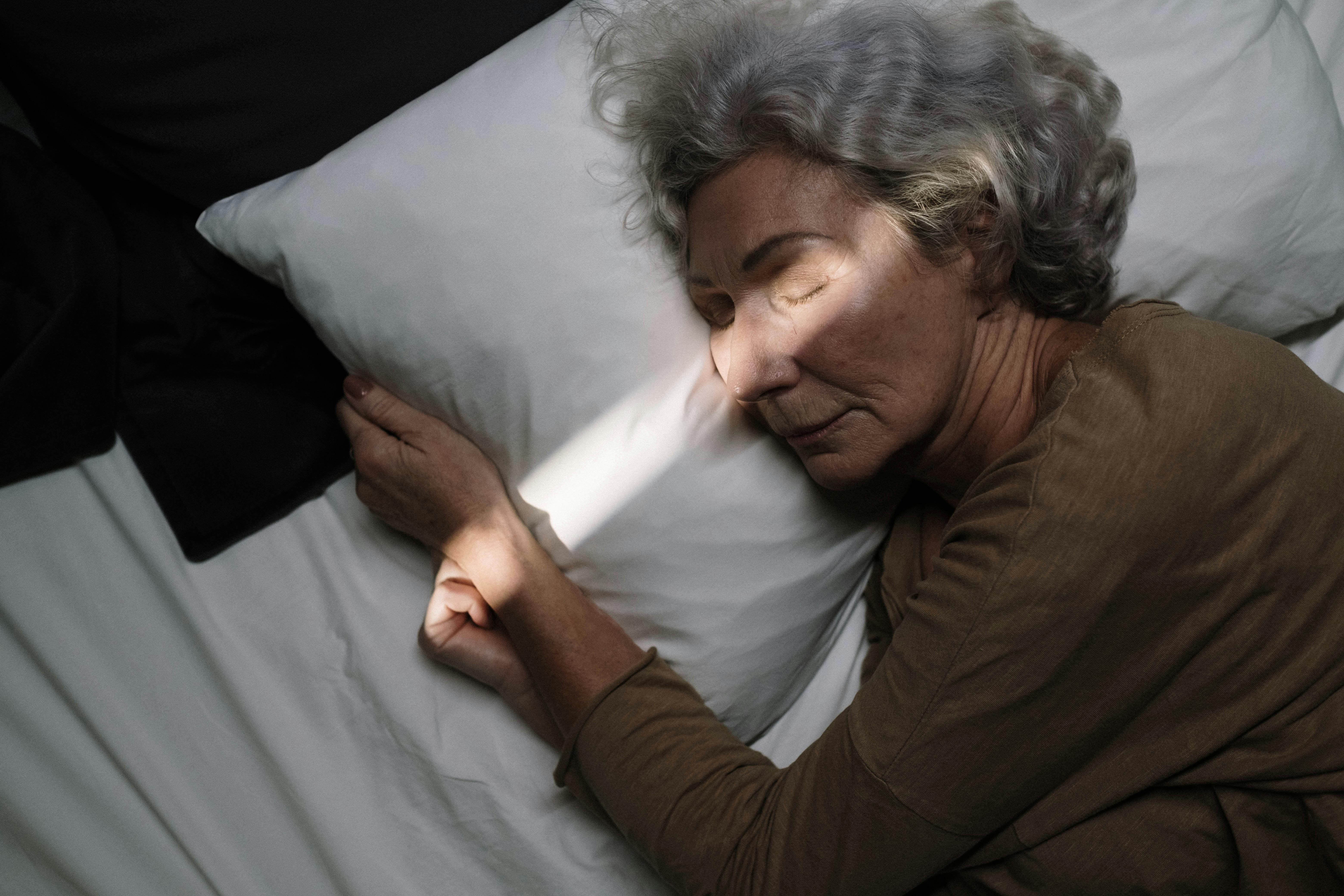
Discover how cutting-edge AI-powered sleep technology is transforming sleep health in 2026, offering personalized solutions from dynamic smart mattresses to advanced biometric wearables and tailored sleep coaching. Optimize your deep sleep, enhance REM cycles, and invest in truly restorative rest with our comprehensive guide to the best sleep optimization devices and services designed for your unique needs.
Introduction to the Topic
In 2026, the promise of a truly restorative night's sleep is no longer a distant dream, but a personalized reality, thanks to the exponential advancements in Artificial Intelligence (AI). For years, we've grappled with a global sleep crisis, an epidemic of insufficient and poor-quality sleep that impacts everything from our cognitive function and mood to our long-term physical health. Traditional one-size-fits-all advice often falls short because, just like our fingerprints, our sleep patterns are uniquely ours.
Enter AI-powered sleep technology. This isn't just about tracking steps or heart rate anymore; it's about sophisticated algorithms learning your individual circadian rhythms, detecting subtle physiological cues, and adapting your sleep environment or coaching in real-time. From intelligent mattresses that adjust firmness and temperature to wearables that provide hyper-personalized insights and smart ecosystems that orchestrate your entire bedroom for optimal rest, the landscape of sleep health is undergoing a profound transformation. livefullhealth.com is here to guide you through this exciting era, helping you navigate the options and invest in the most crucial pillar of your well-being: your sleep.
Backgrounds & Facts
The statistics on sleep deprivation are stark and continue to worsen. A 2025 global health report indicated that over 65% of adults in developed nations consistently report inadequate sleep, defined as less than 7 hours per night. The health ramifications are staggering: increased risk of cardiovascular disease, diabetes, obesity, weakened immune function, and a significant detriment to mental health, including higher rates of anxiety and depression. Economically, the cost of lost productivity due to poor sleep runs into trillions of dollars annually.
For decades, sleep research has identified key stages of sleep – REM, light, and deep (slow-wave) sleep – each vital for different restorative processes. However, understanding how to optimize these stages for an individual has been elusive. Early sleep tech, like basic sleep trackers, provided raw data but often lacked actionable insights. This is where AI changes the game. By 2026, AI algorithms are capable of processing vast amounts of personal biometric data (heart rate variability, respiration, body temperature, movement, brainwave patterns via advanced sensors) alongside environmental factors (room temperature, humidity, light, noise levels). This allows for a granular, contextual understanding of an individual's sleep architecture and the factors influencing it.
The market for sleep technology is booming, projected to exceed $100 billion by the end of the decade. Consumers are no longer just looking for a quick fix but genuine, data-driven solutions that promise long-term improvements in sleep quality and overall health. The shift towards personalized wellness, biohacking, and preventative health has positioned AI-powered sleep solutions as a cornerstone for optimal living in 2026.
Expert Opinion / Analysis
“The advent of AI in sleep health is nothing short of revolutionary,” states Dr. Anya Sharma, lead sleep neuroscientist at the Global Sleep Institute. “For too long, sleep medicine has relied on generalized advice or reactive treatments. AI allows us to move into a truly proactive and personalized era. Imagine a system that not only tells you why you woke up feeling tired but can predict it before it happens, adjusting your environment or recommending behavioral changes in real-time.”
Dr. Sharma emphasizes the power of predictive analytics. “AI models, especially those using deep learning, can identify subtle patterns in your physiological data that even trained human eyes might miss. They can correlate your afternoon caffeine intake with your deep sleep latency, or your evening screen time with reduced REM sleep quality. This isn't just tracking; it's understanding and forecasting. By 2026, the best AI sleep platforms can offer tailored interventions, whether it's adjusting your smart bed's firmness mid-cycle, dimming your bedroom lights at the optimal moment, or suggesting a specific breathing exercise based on your real-time stress levels.”
Ben Carter, CEO of SleepFuture Labs, a leading innovator in AI sleep ecosystems, adds, “The integration aspect is key. A single device providing data is useful, but an AI-driven ecosystem that connects your mattress, wearable, smart lighting, and even your smart thermostat creates a truly synergistic environment. The AI acts as your personal sleep conductor, orchestrating all these elements to create the perfect sleep symphony. This level of personalized, adaptive sleep optimization was unimaginable even five years ago.”
Both experts agree that while the technology is powerful, user engagement and data privacy remain critical. “The most effective AI sleep solutions are those that empower the user with understanding and actionable insights, not just numbers,” Dr. Sharma concludes. “And as with any personal health data, robust security and transparent data usage policies are paramount for consumer trust.”
💰 Best Options in Comparison (VERY IMPORTANT)
As you look to invest in superior sleep in 2026, the market offers a diverse range of AI-powered solutions. Here are some of the top contenders that promise to revolutionize your nightly rest, catering to different needs and budgets:
- The SomniaFlow Pro Smart Mattress System: This next-generation smart mattress goes beyond simple firmness adjustments. Utilizing an array of pressure sensors, biometric scanners, and AI learning algorithms, the SomniaFlow Pro dynamically adapts its support and temperature zones throughout the night based on your real-time sleep stage and body position. It detects micro-awakenings, optimizes spinal alignment, and even has a gentle 'wake-up assist' feature that uses progressive firmness changes and subtle vibrations to rouse you naturally during a light sleep stage. Ideal for those seeking comprehensive, passive sleep optimization.
- AuraRing 3.0 Advanced Biometric Wearable: More than just a tracker, the AuraRing 3.0 is a discreet, medical-grade sleep and recovery device. Its AI engine processes heart rate variability (HRV), skin temperature, blood oxygen saturation (SpO2), and advanced movement patterns to generate a hyper-accurate hypnogram and daily 'Recovery Score.' It provides personalized insights into factors affecting your sleep quality, suggesting specific interventions like timed light exposure, meditation protocols, or optimal bedtimes. Perfect for data-driven individuals keen on understanding and actively improving their sleep and overall readiness.
- Zenith Sleep Hub & Ecosystem: The Zenith Sleep Hub isn't a single product but an integrated AI-powered system designed to transform your entire bedroom into a sleep sanctuary. It connects smart lighting (dynamic color and intensity for circadian rhythm regulation), smart sound machines (adaptive white noise or sleep sounds), aromatherapy diffusers, and even smart blinds. The central AI learns your preferences and sleep patterns, then orchestrates these devices to create the ideal pre-sleep winding down routine, optimal sleep environment, and a gentle morning wake-up, all tailored to your personal biometrics. Best for those seeking a holistic, hands-off approach to environmental sleep optimization.
- SleepTune AI Personalized Coaching Platform: For those who benefit from structured guidance, SleepTune AI combines the proven principles of Cognitive Behavioral Therapy for Insomnia (CBT-I) with cutting-edge AI. Through an intuitive app, it analyzes your sleep diary, wearable data, and lifestyle inputs to provide personalized coaching sessions, behavioral recommendations, and progress tracking. It offers adaptive modules for stress reduction, sleep hygiene, and circadian rhythm alignment, with an optional human sleep coach overlay for complex cases. An excellent choice for individuals struggling with chronic sleep issues who need structured, evidence-based intervention.
To help you compare these leading options, here's a detailed table:
| Product/Service | Key Features | AI Functionality | Ideal User | Estimated Price Range (2026 USD) |
|---|---|---|---|---|
| SomniaFlow Pro Smart Mattress System | Dynamic firmness & temperature zones, biometric scanners, micro-awakening detection, wake-up assist. | Real-time adaptive support & climate control based on sleep stage, position, and biometrics. Predictive comfort adjustments. | Individuals seeking passive, comprehensive sleep environment optimization; those with back pain or temperature sensitivity. | $3,000 - $7,000+ (depending on size/features) |
| AuraRing 3.0 Advanced Biometric Wearable | HRV, SpO2, skin temperature, advanced movement, hypnogram, daily Recovery Score. Discreet design. | Hyper-personalized insights, trend analysis, predictive recommendations for sleep, stress, and recovery. | Data-driven individuals, biohackers, athletes, anyone wanting deep actionable insights into their daily readiness. | $350 - $500 (plus optional premium subscription) |
| Zenith Sleep Hub & Ecosystem | Integrated smart lighting, sound, aromatherapy, smart blinds. Centralized control. | Learns preferences & sleep patterns to orchestrate a personalized pre-sleep, sleep, and wake-up environment. | Users seeking a holistic, hands-off smart bedroom solution; those sensitive to light, sound, or scent during sleep. | $800 - $2,500 (depending on components) |
| SleepTune AI Personalized Coaching Platform | CBT-I based modules, sleep diary analysis, wearable data integration, behavioral recommendations. | Adaptive coaching, progress tracking, personalized intervention strategies, predictive identification of sleep disruptors. | Individuals struggling with chronic insomnia, those needing structured guidance, or seeking to improve sleep habits. | $50 - $150/month (with optional human coach add-on) |
Outlook & Trends
The future of AI-powered personalized sleep in 2026 and beyond is incredibly promising. We can expect even deeper integration of these technologies into our overall health and wellness ecosystems. Imagine your sleep data seamlessly informing your nutrition plan, exercise regimen, and even mental health support, all managed by a central AI wellness assistant. Predictive health will become the norm, with AI identifying potential sleep disturbances or health risks long before they manifest, offering preventative interventions.
Further advancements in non-invasive biometric sensing, such as radar-based sleep tracking that doesn't require wearables, will make sleep optimization even more effortless. The rise of 'sleep as a service' subscription models will provide continuous, evolving personalized insights and adjustments, ensuring your sleep strategy remains cutting-edge. Ethical considerations around data privacy and the responsible use of AI will also continue to be a focus, driving innovation in secure, transparent platforms.
Ultimately, the trend is towards making optimal sleep not just accessible, but an inherent, integrated part of our daily lives, adapting to our changing needs and environments without conscious effort. The goal is to move beyond simply tracking sleep to truly understanding and mastering it.
Conclusion
In 2026, the era of generalized sleep advice is over. Thanks to the power of Artificial Intelligence, personalized sleep optimization is no longer a luxury but an achievable standard for anyone committed to their well-being. From smart mattresses that learn your body's needs to wearables that offer profound insights and ecosystems that craft the perfect sleep environment, the tools are available to transform your nights and, consequently, your days.
Investing in AI-powered sleep technology isn't just buying a gadget; it's investing in your health, your productivity, your mood, and your longevity. Take the first step towards a future of truly restorative sleep. Explore the options, compare the features, and choose the solution that best aligns with your goals. Your best sleep isn't just possible; it's waiting for you.