
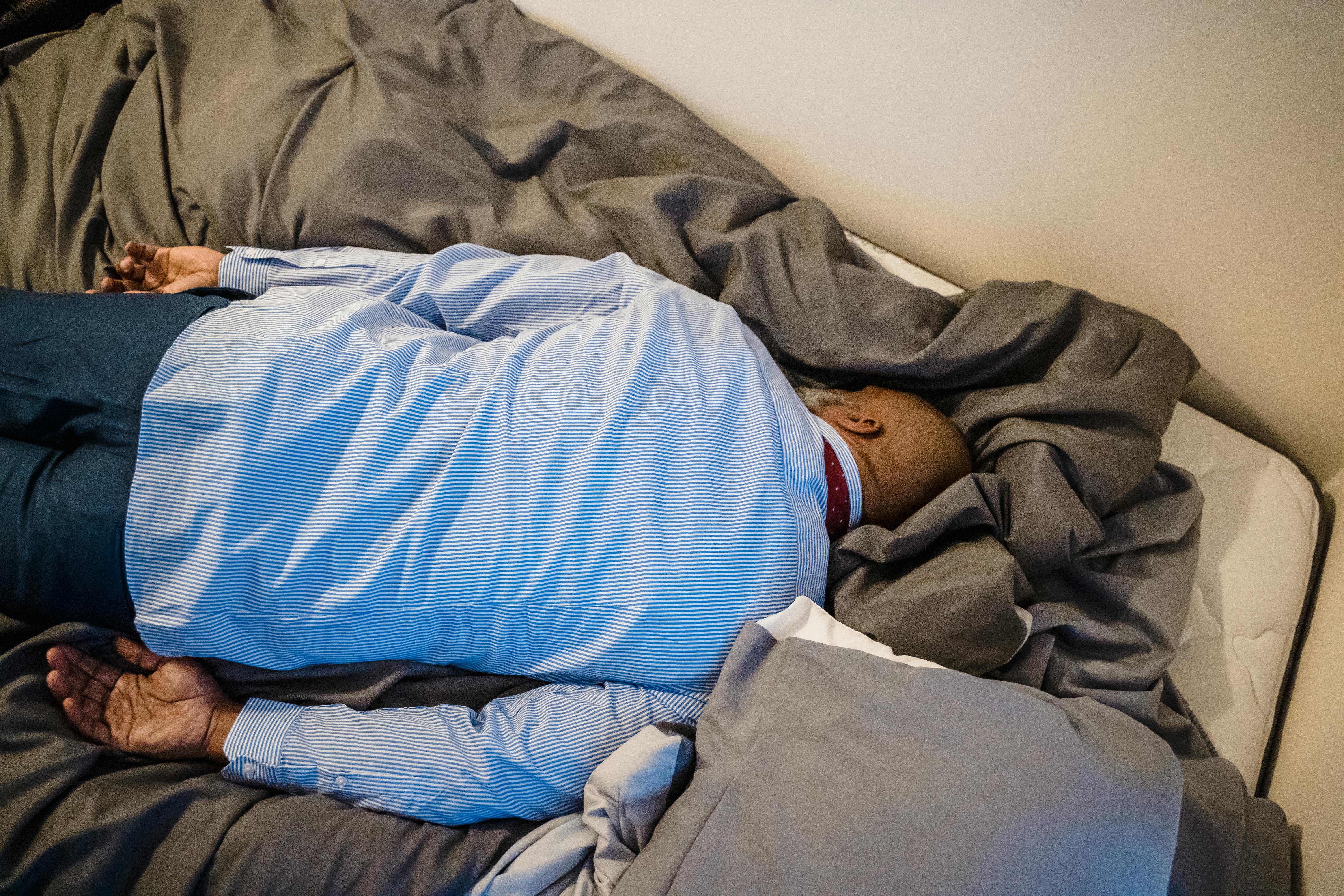
Unlock superior rest without breaking the bank! Discover our 2026 Sleep Health Comparison, featuring top picks for max $ savings on mattresses, tech, and more, tailored for US consumers seeking value and quality sleep.
💰 Secure Top Deal: Go straight to the offer →
📍 More from this category: Sleep Health – All Articles
Introduction: The Real Story Behind Affordable Sleep in 2026
Best Nutrition 2026: Ultimate Comparison →
In an era where every dollar counts and the demands of modern life relentlessly chip away at our well-being, the quest for quality sleep has never been more critical – or seemingly more expensive. For many Americans, the idea of investing in optimal sleep health conjures images of luxury mattresses with five-figure price tags or complex smart sleep systems costing a small fortune. But what if we told you that in 2026, achieving restorative, health-boosting sleep doesn't have to be a financial burden? What if the real story is about smarter choices, strategic investments, and leveraging innovation to maximize your savings while elevating your rest?
At LIVE FULL HEALTH, we understand the financial pressures US households face. We also know that sacrificing sleep is a direct path to diminished health, productivity, and overall life quality. This comprehensive guide cuts through the noise of expensive marketing and aspirational pricing to deliver the most impactful, cost-effective sleep solutions for 2026. We’ll compare top sleep health picks, focusing on their true value, long-term savings, and undeniable return on investment, ensuring you can wake up refreshed without your wallet feeling deflated.
Deep Dive: Backgrounds, Facts, & US Market Data
The landscape of sleep health in the United States continues to evolve rapidly. By 2026, the economic impact of sleep deprivation is projected to remain staggering, costing the US economy an estimated hundreds of billions of dollars annually due to lost productivity, increased healthcare expenditures, and higher rates of accidents. Poor sleep isn't just an inconvenience; it's a public health crisis with significant financial ramifications for individuals and the nation.
Historically, the market for sleep products has been segmented, with a vast divide between budget-friendly options that often compromise on quality and premium offerings that are out of reach for many. However, 2026 sees a maturing of several key trends that are democratizing access to better sleep. The direct-to-consumer (DTC) model, pioneered by mattress companies, has expanded into pillows, bedding, and even smart sleep devices, cutting out middlemen and passing savings directly to the consumer. This competitive environment has forced traditional retailers to innovate and offer more compelling value propositions.
Furthermore, advancements in materials science have led to more durable, supportive, and comfortable components being integrated into mid-range products. Memory foam, latex alternatives, and hybrid designs that were once exclusive to high-end mattresses are now widely available at competitive prices. Similarly, the proliferation of wearable technology and smart home devices has brought sophisticated sleep tracking and environment optimization tools into a more accessible price bracket. Consumers are increasingly seeking preventative health solutions, recognizing that investing modestly in sleep now can avert significant healthcare costs and productivity losses down the line. This shift in mindset fuels demand for products that offer a clear ROI beyond mere comfort.
Expert Analysis & Industry Insights
As elite strategists in health and wellness, we emphasize that "savings" in sleep health isn't solely about the lowest upfront cost. It’s about the *value* derived over the product's lifespan, the tangible improvements to your health, and the avoidance of future expenses linked to poor sleep. Many consumers fall into the trap of purchasing the absolute cheapest option, only to find it quickly degrades, offers minimal benefits, or even exacerbates existing sleep issues, leading to repeated purchases or more significant health problems down the road. This is a false economy.
Our analysis for 2026 reveals a critical insight: the sweet spot for maximizing savings lies in identifying products and strategies that offer a disproportionately high return on a moderate investment. This means looking beyond marketing hype to understand the core technology, material quality, and long-term durability. For instance, a mattress with a superior warranty and higher density foam might cost 20% more upfront than a budget counterpart but could last twice as long, ultimately saving you money and providing consistent support. Similarly, a smart sleep tracker that provides actionable, personalized insights might seem like an indulgence, but if it helps you identify and correct sleep habits that lead to chronic fatigue or health issues, its value far outweighs its cost.
We also emphasize the often-overlooked environmental factors and behavioral changes that cost little to nothing but yield enormous benefits. Optimizing your bedroom for darkness, quiet, and temperature, or establishing a consistent bedtime routine, are foundational elements of sleep hygiene that no expensive gadget can fully replace. In 2026, the convergence of accessible technology, informed consumer choices, and a holistic understanding of sleep health empowers Americans to make truly smart, budget-conscious decisions that deliver profound results.
💰 Ultimate Comparison: The Best Options for Max $ Savings (HIGH CPC SECTION)
Navigating the vast array of sleep products can be daunting. Our ultimate comparison focuses on categories where strategic spending yields the greatest returns. We've identified "Premium Pick" options that represent the pinnacle of value-for-money, offering superior long-term benefits for a moderate investment, and "Value Pick" options that provide significant improvements at the lowest possible entry point. These are not about specific brands (which fluctuate) but about the *types* of solutions that consistently deliver savings and quality.
Mattresses: The Foundation of Rest
- Premium Pick (High ROI Hybrid/Memory Foam): In 2026, the sweet spot for mattresses offering maximum savings through longevity and support are high-quality, direct-to-consumer hybrid or dense memory foam models. These often feature advanced cooling technologies, zoned support, and durable materials, typically ranging from $1,200-$2,000 for a Queen size. While a higher upfront cost, their 10-15 year lifespan, coupled with superior comfort and reduced back pain, translates to significant savings compared to replacing cheaper mattresses every 3-5 years or incurring healthcare costs from poor spinal alignment. Look for models with generous trial periods (100+ nights) and comprehensive warranties (10+ years).
- Value Pick (Affordable Memory Foam/Innerspring): For those on a tighter budget, well-reviewed, medium-firm memory foam or basic innerspring mattresses from established online retailers offer substantial improvements over old, worn-out beds. These can be found in the $400-$800 range for a Queen. While they may not boast the same longevity (expect 5-8 years), their initial comfort and support for the price point are excellent. Focus on customer reviews for durability and minimal off-gassing. Pair with a high-quality mattress protector for extended life.
Pillows: Targeted Support for Neck & Spine
- Premium Pick (Ergonomic Memory Foam/Latex Pillow): Investing in a high-quality ergonomic pillow (memory foam, shredded foam, or latex) designed for your specific sleep position can prevent neck pain, headaches, and improve breathing. These typically cost $60-$120 but can last 3-5 years and offer immense relief, avoiding chiropractic visits or medication. Look for adjustable fill options for personalized comfort.
- Value Pick (Supportive Microfiber/Polyester Pillow): A good quality, firm-to-medium supportive microfiber or polyester fill pillow can be found for $20-$40. While they may compress faster (requiring replacement every 1-2 years), they offer immediate comfort and better support than flimsy alternatives. Choose hypoallergenic options and ensure it's machine washable for hygiene.
Sleep Tracking & Optimization: Data-Driven Rest
- Premium Pick (Advanced Wearable/Ring Tracker): By 2026, sophisticated sleep trackers (like high-end smartwatches or dedicated sleep rings) provide in-depth data on sleep stages, heart rate variability, body temperature, and offer personalized insights and readiness scores. Costing $250-$400 (plus potential subscription fees), these tools can identify patterns, flag potential issues like sleep apnea, and guide lifestyle changes, potentially saving on future medical consultations.
- Value Pick (Smartphone Apps/Basic Wearables): Many free or low-cost smartphone apps (e.g., Sleep Cycle, AutoSleep) utilize your phone's sensors to track basic sleep patterns, wake you during light sleep, and record sounds. Basic fitness trackers ($50-$100) also offer decent sleep tracking features. These provide valuable awareness of your sleep habits without a significant investment.
Sleep Environmentals: Creating Your Sanctuary
- Premium Pick (Smart Blackout Curtains/Thermostatic Bedding): Automated blackout curtains (e.g., smart blinds, $150-$300 per window) or high-performance thermostatic bedding (e.g., bamboo, Tencel, phase-change materials, $100-$250 per set) offer superior temperature regulation and light control. These create an optimal sleep environment, reducing energy costs (less reliance on HVAC) and improving sleep quality consistently.
- Value Pick (Heavy-Duty Blackout Curtains/White Noise Machine): Simple, heavy-duty blackout curtains ($30-$60 per pair) and a dedicated white noise machine ($25-$50) are incredibly effective at blocking light and masking disruptive sounds. These low-cost items are foundational for sleep hygiene and provide immediate, tangible improvements to your sleep environment.
Ancillary Aids: Small Investments, Big Impact
- Premium Pick (Light Therapy Lamp/Weighted Blanket): A full-spectrum light therapy lamp ($80-$150) can significantly improve circadian rhythm for those with seasonal affective disorder or irregular schedules. A high-quality weighted blanket ($70-$150) offers deep pressure stimulation, reducing anxiety and promoting relaxation. These are therapeutic investments that can reduce reliance on medication.
- Value Pick (Ear Plugs/Eye Mask/Herbal Tea): High-quality earplugs ($10-$20 for a multi-pack), a comfortable eye mask ($10-$25), and a consistent routine of calming herbal teas (e.g., chamomile, valerian root, negligible cost) are incredibly effective, low-cost interventions that can dramatically improve sleep quality for many.
| Sleep Category | Premium Solution (2026 Est. Cost) | Value Solution (2026 Est. Cost) | Key Savings/ROI | Long-Term Benefit |
|---|---|---|---|---|
| Mattresses | DTC Hybrid/Dense Memory Foam ($1,200-$2,000) | Affordable Memory Foam/Innerspring ($400-$800) | Premium lasts 2x longer, reduces health costs; Value offers immediate relief for less. | Consistent support, pain reduction, fewer replacements; Basic comfort, improved sleep quality. |
| Pillows | Ergonomic Memory Foam/Latex ($60-$120) | Supportive Microfiber/Polyester ($20-$40) | Prevents neck pain/headaches, extends life; Immediate comfort, low replacement cost. | Spinal alignment, reduced discomfort; Basic head/neck support. |
| Sleep Tracking | Advanced Wearable/Ring Tracker ($250-$400 + optional subscription) | Smartphone Apps/Basic Wearables ($0-$100) | Actionable insights, early issue detection; Basic pattern awareness, no major investment. | Personalized health optimization, potentially lower medical bills; Increased sleep hygiene awareness. |
| Environmentals | Smart Blackout Curtains/Thermostatic Bedding ($150-$300+) | Heavy-Duty Blackout Curtains/White Noise Machine ($25-$60) | Energy savings, optimal environment control; Immediate light/sound reduction for minimal cost. | Consistent, undisturbed sleep, reduced utility bills; Improved sleep onset and duration. |
| Ancillary Aids | Light Therapy Lamp/Weighted Blanket ($70-$150) | Ear Plugs/Eye Mask/Herbal Tea ($10-$25) | Therapeutic benefits, reduces anxiety/SAD symptoms; Simple, effective, immediate relaxation. | Improved mood, reduced stress, natural sleep induction; Enhanced ability to fall and stay asleep. |
Future Outlook & 2026 Trends
Looking ahead into 2026 and beyond, the sleep health market is poised for even greater innovation and affordability. We anticipate a continued surge in personalized sleep coaching, often powered by advanced AI and machine learning, offering tailored advice based on individual biometrics and lifestyle data. While premium versions will exist, more accessible, subscription-based models are expected to emerge, making expert guidance more affordable for the average American.
The integration of smart home systems with sleep technology will deepen, allowing for seamless environmental control (lighting, temperature, humidity, sound) that automatically adjusts to optimize sleep cycles. As these technologies become more mainstream, their manufacturing costs will decrease, translating to more budget-friendly options. We also foresee a stronger emphasis on sustainable and eco-friendly sleep products. As consumer demand for responsible manufacturing grows, brands will find ways to produce high-quality, durable, and environmentally conscious items at competitive price points, offering long-term value and contributing to a healthier planet.
Finally, preventative sleep health will become even more intertwined with general wellness platforms. Expect to see health insurance providers and employers offering incentives or subsidies for proven sleep health solutions, recognizing the immense ROI in a well-rested, productive workforce and healthier population. The future of sleep health is not just about expensive gadgets, but about smart, integrated, and increasingly affordable solutions that prioritize your well-being and your wallet.
Conclusion
In 2026, the aspiration for excellent sleep health is no longer exclusive to those with unlimited budgets. By adopting a strategic, value-driven approach, US consumers can make intelligent choices that deliver maximum savings without compromising on restorative rest. Whether it's opting for a high-ROI direct-to-consumer mattress, leveraging affordable sleep tracking apps, or simply optimizing your bedroom environment with budget-friendly blackout curtains, every decision can contribute to a healthier, more energized you.
Remember, the true cost of poor sleep far outweighs the investment in quality sleep solutions. Prioritize your rest, invest wisely in products and habits that offer genuine value, and take advantage of the evolving market to secure your best sleep yet. At LIVE FULL HEALTH, we empower you to live a fuller, healthier life – starting with a well-rested night. Choose smart, sleep deep, and save big.
👉 More News: Best Diet 2026: Nutrition Cost Guide for Max Savings