
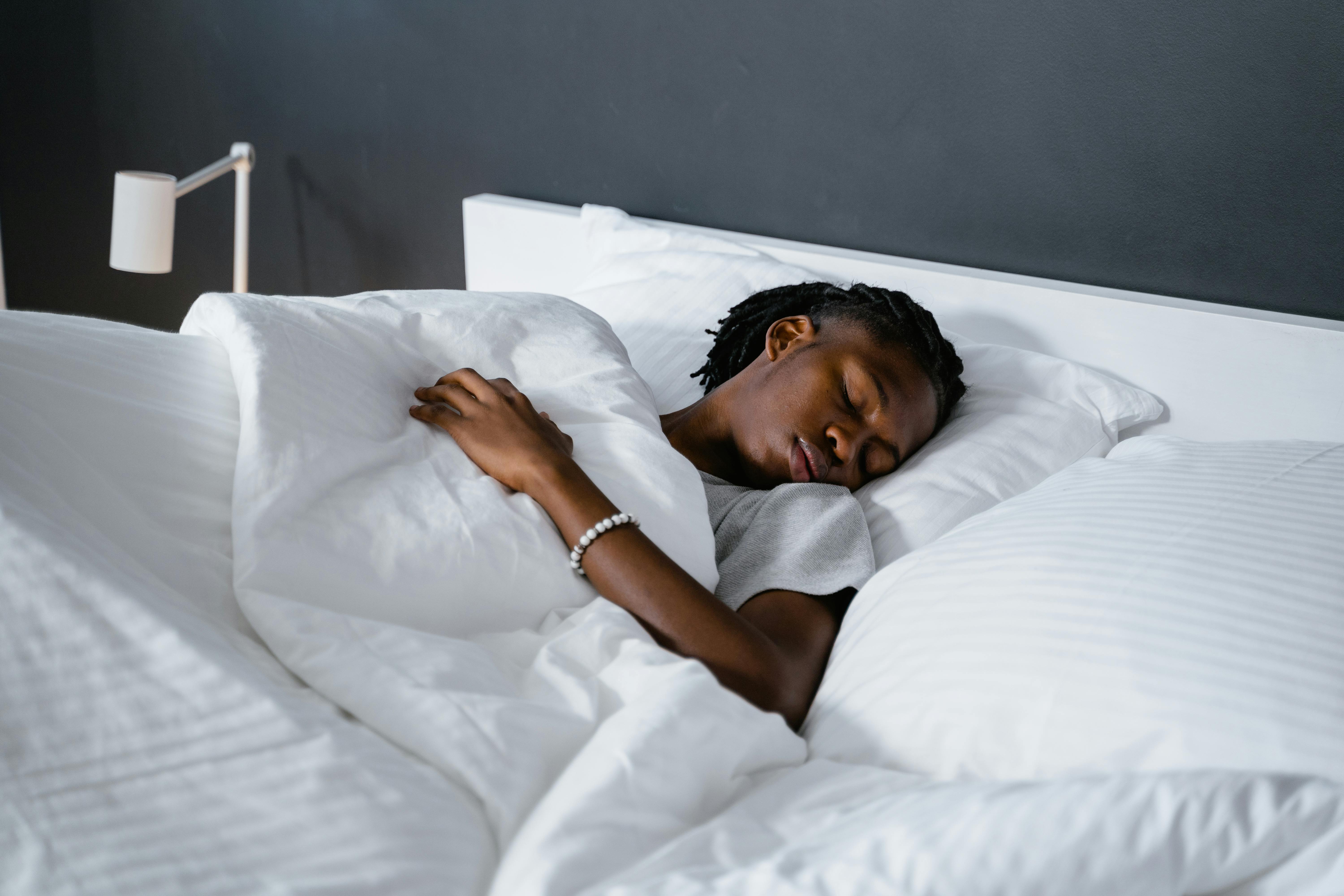
Tired of tossing and turning? Discover how cutting-edge AI sleep coaches, smart mattresses, and advanced wearables are revolutionizing sleep health in 2026, offering personalized solutions to optimize your rest, boost recovery, and enhance your daily performance. Explore the best sleep tech options, compare features, and invest in the future of your well-being.
Introduction to the Topic
In 2026, the quest for truly restorative sleep has never been more critical – or more technologically advanced. For years, generic advice like 'get 8 hours' has fallen short, leaving millions still grappling with fatigue, poor concentration, and compromised health. But what if your sleep wasn't just tracked, but actively understood, optimized, and even coached by intelligent systems designed just for you? Welcome to the era of personalized sleep health, where Artificial Intelligence (AI) and sophisticated smart technology are transforming how we approach the most fundamental aspect of our well-being.
The global sleep crisis is undeniable. Chronic sleep deprivation affects over a third of adults worldwide, contributing to a myriad of health issues from obesity and heart disease to mental health disorders. The one-size-fits-all approach to sleep hygiene is rapidly becoming obsolete. Instead, a new paradigm is emerging: highly individualized sleep solutions powered by data, machine learning, and biometric feedback. This isn't just about counting hours anymore; it's about understanding your unique chronotype, sleep architecture, environmental factors, and even your daily activities to craft a bespoke sleep strategy. In this article, we'll dive deep into the trending innovations that are setting the standard for sleep in 2026, helping you navigate the exciting landscape of AI sleep coaches and smart sleep technology to finally achieve the deep, restorative rest you deserve.
Backgrounds & Facts
The journey to personalized sleep health began with simple fitness trackers, which offered basic sleep duration estimates. However, the last few years have seen an exponential leap in capabilities. Today's sleep technology integrates advanced sensors, complex algorithms, and powerful AI to move beyond mere data collection, offering diagnostic-grade insights and proactive interventions. The market for sleep technology is booming, projected to exceed $50 billion globally by the end of the decade, driven by increasing consumer awareness and the undeniable link between sleep and overall health.
At the heart of this revolution is the ability to collect and interpret vast amounts of personal biometric data. Modern smart mattresses can monitor heart rate variability (HRV), respiratory rate, movements, and even environmental factors like room temperature and humidity. Wearable devices, from smart rings to advanced watches, provide granular data on sleep stages (REM, deep, light), blood oxygen levels, skin temperature, and micro-awakenings. This torrent of data, when fed into sophisticated AI models, allows for unprecedented personalization. AI algorithms can identify patterns unique to an individual – perhaps a drop in deep sleep after late-night screen time, or an optimal bedtime window based on their specific circadian rhythm. They can even detect early signs of sleep disorders like apnea or restless legs syndrome, prompting users to seek professional medical advice.
The shift is from reactive problem-solving to proactive optimization. Instead of just telling you that you slept poorly, AI sleep coaches can analyze why, suggest specific behavioral changes, adapt your sleep environment, or even guide you through personalized relaxation exercises. This data-driven approach is empowering individuals to take control of their sleep health in ways previously unimaginable, moving beyond anecdotal remedies to evidence-based, personalized strategies.
Expert Opinion / Analysis
We sat down with Dr. Anya Sharma, a renowned chronobiologist and lead researcher at the Global Sleep Health Institute, to gain her insights on the current state and future of personalized sleep technology. "The advancements we're seeing in AI and sensor technology are nothing short of revolutionary for sleep health," Dr. Sharma explains. "For decades, sleep medicine relied heavily on generalized advice and clinical studies involving broad populations. While valuable, it often overlooked the unique physiological and lifestyle factors that dictate an individual's sleep quality."
"What AI sleep coaches and smart tech offer is precision," she continues. "By analyzing an individual's unique biometric data – their heart rate variability, sleep stages, respiratory patterns, and even their daily activity levels – these systems can identify precise sleep disturbances and recommend highly targeted interventions. This could range from adjusting your bedroom temperature through a smart thermostat, to suggesting a specific winding-down routine, or even integrating cognitive behavioral therapy for insomnia (CBT-I) protocols directly into an app, tailored to your progress."
However, Dr. Sharma also offers a word of caution. "While the benefits are immense, it's crucial for consumers to be discerning. Not all 'smart' devices are created equal. Data privacy is a significant concern; ensure you understand how your personal health data is being used and protected. Furthermore, these technologies are powerful tools, but they shouldn't replace professional medical advice, especially when dealing with suspected sleep disorders. They are best utilized as sophisticated aids to empower individuals and provide valuable data for their healthcare providers." She emphasizes the importance of looking for devices and platforms that prioritize scientific validation, data security, and offer actionable, evidence-based recommendations rather than just raw numbers.
💰 Best Options in Comparison (VERY IMPORTANT)
Navigating the burgeoning market of personalized sleep technology can be overwhelming. To help you make an informed decision and invest in the right solution for your unique needs, we've broken down the leading categories and highlighted top options available in 2026. Whether you're a data enthusiast, a comfort seeker, or someone needing behavioral guidance, there's a solution for you.
- Smart Mattresses & Bed Systems: These integrated sleep environments go beyond comfort, actively monitoring your sleep and often adapting to optimize your rest. They are ideal for those seeking a seamless, 'set-it-and-forget-it' approach to sleep optimization.
- Advanced Sleep Trackers & Wearables: For individuals who want granular data and insights without a full bed replacement, these devices offer sophisticated biometric tracking and actionable feedback. They're excellent for athletes, biohackers, and anyone keen on understanding their body's recovery.
- AI Sleep Coaching Apps & Platforms: These digital companions leverage AI to provide personalized guidance, behavioral nudges, and even therapeutic interventions. Perfect for those needing structured support to improve sleep habits or manage mild insomnia.
- Specialized Environmental & Stimulation Devices: These focus on optimizing your sleep environment or directly influencing your brainwaves for better rest, often with AI integration for personalized timing and intensity.
Comparison Table: Leading Personalized Sleep Tech Solutions (2026)
| Category/Example | Key Features | Target User | 2026 Price Range (Est.) | Pros | Cons |
|---|---|---|---|---|---|
| Smart Mattresses (e.g., Eight Sleep Pod 4, Sleep Number 360 i10) | Automatic temperature regulation, biometric tracking (HRV, respiratory rate, sleep stages), smart alarm, integrated AI coaching, gentle wake-up. | Couples with different temperature preferences, chronic insomniacs, those seeking ultimate sleep comfort & data. | $3,500 - $8,000+ | Comprehensive, passive tracking; active comfort adjustments; deeply integrated ecosystem. | High initial cost; less portable; potential for over-reliance; specific brand ecosystems. |
| Advanced Sleep Trackers (e.g., Oura Ring Gen 5, WHOOP 10.0, Apple Watch Ultra 3) | Precision sleep stage tracking, HRV, skin temperature, blood oxygen, recovery scores, activity integration, personalized insights via app. | Athletes, biohackers, data-driven individuals, travelers, those monitoring overall health & recovery. | $300 - $800 + Subscription (for some) | Highly portable; non-invasive (rings); rich biometric data; good for trend analysis; often multi-purpose. | Requires consistent wearing; can be less accurate than clinical polysomnography; subscription costs add up. |
| AI Sleep Coaching Apps (e.g., Somnus AI, Calm Premium with AI, Sleep Cycle Pro+) | Personalized CBT-I programs, guided meditations, soundscapes, intelligent alarm clocks, habit formation tools, mood tracking, circadian rhythm optimization. | Individuals with mild to moderate insomnia, those needing behavioral change support, stress reduction, sleep hygiene improvement. | $70 - $150/year (subscription) | Accessible & affordable; highly personalized guidance; focuses on behavioral change; flexible. | Requires active engagement; not suitable for severe sleep disorders; effectiveness varies by user commitment. |
| Specialized Devices (e.g., Aura Smart Pillow, Philips SmartSleep Headband 3) | Smart pillows: micro-vibrations, sound therapy, sleep tracking. Headbands: EEG-based sleep stage optimization, soundscapes, smart alarms. | Individuals targeting specific issues like snoring, light sleepers, those interested in brainwave optimization. | $200 - $600 | Targeted solutions; can offer unique benefits (e.g., active sound cancellation, deep sleep enhancement). | Can feel intrusive (headbands); limited scope compared to full systems; comfort can be subjective. |
Outlook & Trends
The future of personalized sleep health in 2026 and beyond is set to be even more integrated, predictive, and proactive. We can anticipate several key trends:
- Hyper-Personalization & Predictive Analytics: AI will move beyond just analyzing current data to predicting future sleep issues based on your daily activities, stress levels, and even upcoming weather patterns. Imagine an AI coach suggesting a specific wind-down routine because it knows you have a high-stress meeting tomorrow.
- Seamless Ecosystem Integration: Your smart mattress, wearable, and AI app will communicate flawlessly with your smart home. Your bedroom lights will automatically dim to amber hues as your optimal bedtime approaches, and your smart blinds will gently open with the sunrise, perfectly synced to your circadian rhythm.
- Biometric Feedback Loops: Devices will become more sophisticated in providing real-time, closed-loop feedback. For instance, a smart pillow might gently adjust its firmness or play specific frequencies to encourage deeper sleep if it detects you're in a light sleep phase.
- Clinical Integration & Telehealth: Data from personal sleep tech will become more readily accepted and integrated into telehealth platforms, allowing doctors to remotely monitor patients' sleep health, adjust treatments, and provide more targeted care for chronic conditions.
- Ethical AI & Data Privacy: As these technologies become more pervasive, there will be an even greater emphasis on robust data encryption, transparent privacy policies, and ethical AI development to ensure user trust and data security.
The goal is a future where optimal sleep isn't a luxury but a fundamental, easily achievable aspect of daily life, precisely tailored to each individual's needs.
Conclusion
In 2026, the dream of perfect sleep is no longer a distant fantasy but an attainable reality, thanks to the incredible advancements in AI sleep coaches and smart technology. From actively regulating your sleep environment with a smart mattress to receiving hyper-personalized behavioral guidance from an AI app, the tools are now available to transform your nights and, by extension, your days. Investing in personalized sleep tech is more than just buying a gadget; it's an investment in your energy, your mood, your productivity, and your long-term health.
While the options are diverse, the underlying promise remains consistent: to provide you with the data, insights, and actionable strategies needed to unlock your best rest. Take the time to explore the options presented, consider your personal sleep challenges and preferences, and choose the solution that aligns with your goals. Embrace the future of sleep health, and prepare to wake up feeling more refreshed, revitalized, and ready to live your life to the fullest. Your perfect night's sleep is waiting.