
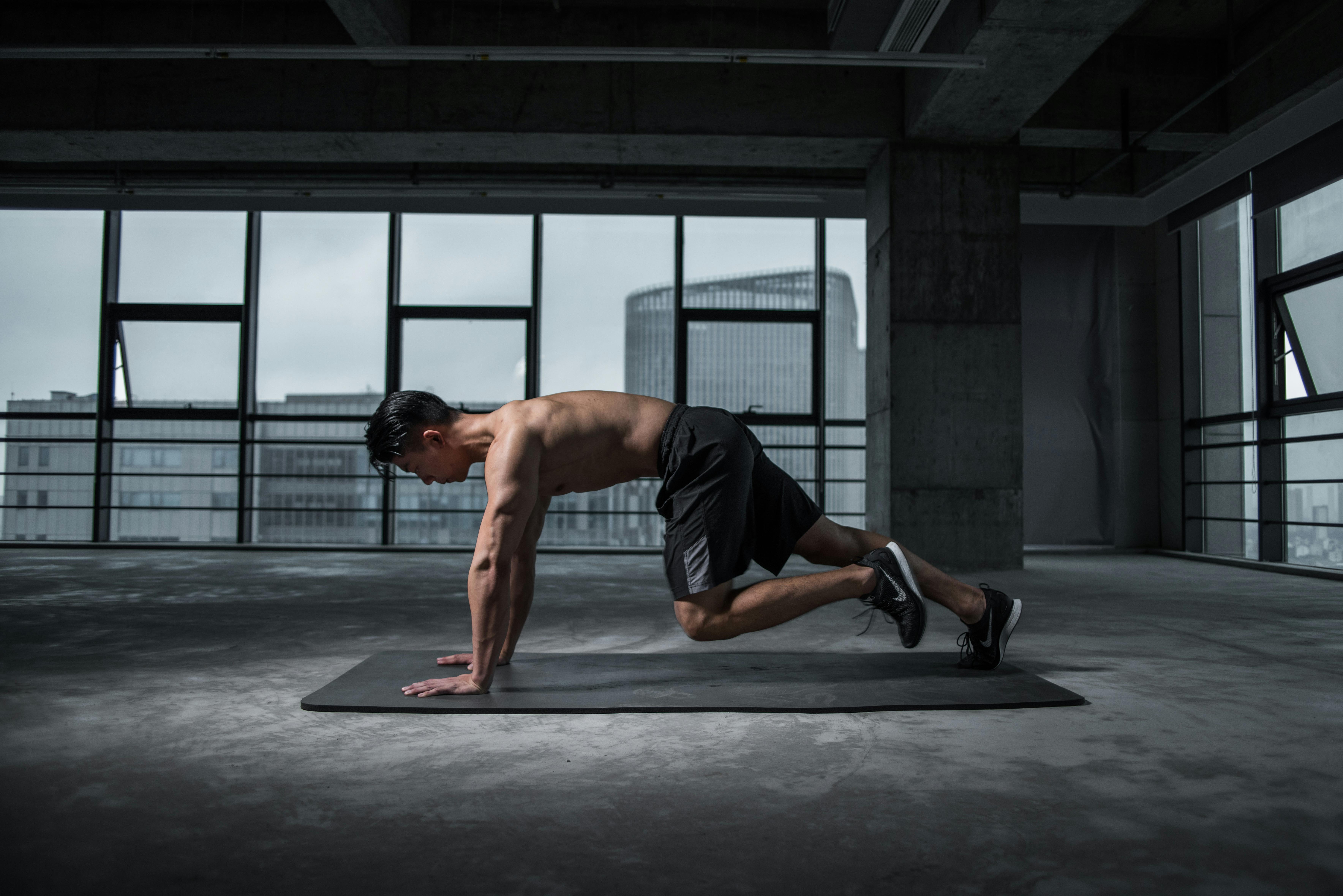
Tired of generic workouts? Discover how AI-powered fitness coaching and smart wearables are revolutionizing personalized training, optimizing performance, and accelerating results in 2026. This guide compares the top platforms and devices, helping you find your perfect AI fitness partner to achieve peak health and fitness goals faster than ever before. Get ready for data-driven gains!
Introduction to the Topic
The year is 2026, and the fitness landscape has been irrevocably transformed. Gone are the days of one-size-fits-all workout plans or endless trial-and-error in the gym. Today, the cutting edge of personal optimization lies in the seamless integration of Artificial Intelligence (AI) with sophisticated smart wearables. This isn't just about tracking steps; it's about a truly personalized, adaptive, and predictive approach to health and fitness that was once the exclusive domain of elite athletes with dedicated teams of trainers and scientists. AI-powered fitness coaching and smart wearables are no longer futuristic concepts; they are the present, offering unprecedented insights into our bodies, optimizing every rep, every meal, and every recovery cycle. If you're serious about maximizing your potential, preventing injury, and seeing tangible, sustainable results, understanding this revolutionary shift is your first step towards unlocking your ultimate self.
Backgrounds & Facts
The evolution of AI in fitness has been exponential. What began with simple algorithm-based workout generators in the late 2010s has matured into complex neural networks capable of processing vast amounts of biometric data in real-time. By 2026, the global market for AI in fitness and sports is projected to exceed $5 billion, driven by advancements in sensor technology, machine learning algorithms, and increased consumer demand for personalized health solutions. Modern AI fitness platforms leverage data from a multitude of sources: advanced smartwatches, smart rings, continuous glucose monitors (CGMs), smart apparel, intelligent scales, and even integrated home gym equipment. This data includes heart rate variability (HRV), sleep patterns, blood oxygen levels, skin temperature, movement patterns, caloric intake, and even muscle activation during exercises.
The core principle is simple yet powerful: personalization at scale. Instead of a generic PPL (Push, Pull, Legs) split, an AI coach analyzes your unique physiological responses, recovery status, performance metrics, and even your mood to dynamically adjust your next workout. Feeling fatigued? It might suggest a lighter session or active recovery. Crushing your PBs? It'll intelligently increase intensity or volume. Beyond just workouts, these systems often integrate nutrition planning, sleep optimization, and stress management, creating a holistic wellness ecosystem. The result? Users report up to 30% faster progress towards their goals, a significant reduction in injury rates, and improved adherence to fitness routines due to the highly engaging and adaptive nature of the coaching.
Expert Opinion / Analysis
Dr. Lena Sharma, a leading Sports Physiologist and AI Ethics consultant at the Global Institute for Human Performance, emphasizes the scientific rigor behind this trend. "The beauty of AI in fitness isn't just convenience; it's precision science applied at an individual level. Historically, a coach might observe a client, but they couldn't see microscopic fluctuations in HRV or predict an impending overtraining state with the accuracy of an AI processing terabytes of data. These systems learn from millions of data points, identifying patterns that human eyes simply cannot. They move beyond 'what works for most people' to 'what works optimally for you, right now.'"
Dr. Sharma also highlights the psychological benefits. "The gamification and constant feedback loops provided by these AI platforms significantly boost motivation and adherence. When you see tangible, data-backed evidence of your progress, and when your 'coach' adapts to your life – not the other way around – it transforms your relationship with fitness. However, it's crucial to remember that AI is a tool. It empowers, but it doesn't replace the fundamental commitment to health. We must also be mindful of data privacy and the ethical implications of handing over such intimate biometric data, ensuring platforms are transparent about their data handling." The consensus among experts is clear: AI-powered fitness is not a fad, but a fundamental shift towards a more intelligent, effective, and accessible path to peak human performance and well-being.
💰 Best Options in Comparison (VERY IMPORTANT)
Navigating the burgeoning market of AI fitness platforms and smart wearables can be daunting. To help you make an informed decision and invest in the best solution for your goals, we've analyzed the top contenders for 2026. Each offers a unique blend of features, catering to different needs and budgets.
-
1. EvolveAI Pro: The Elite Performance Architect
Overview: EvolveAI Pro stands as the gold standard for comprehensive, high-performance AI coaching. It integrates with a proprietary suite of advanced biometric sensors (smart clothing, 3D body scanners for form correction, and a next-gen smart ring) to provide unparalleled data depth. It offers hyper-personalized workout plans, real-time form feedback, adaptive nutrition guidance, and predictive recovery protocols. Ideal for serious athletes, bodybuilders, or anyone demanding the absolute pinnacle of personalized optimization.
Key Features: AI-driven form correction, dynamic periodization, advanced recovery analytics (micro-sleep cycles, cellular regeneration markers), integrated meal prep service suggestions, mental wellness modules, 24/7 AI support.
Target Audience: High-performance athletes, serious fitness enthusiasts, individuals with specific competitive goals, those seeking luxury-tier health optimization.
-
2. FitGenius Hub: Intelligent Fitness for Everyone
Overview: FitGenius Hub offers a more accessible yet incredibly powerful AI fitness experience. Primarily app-based, it seamlessly integrates with most major third-party smartwatches and fitness trackers (Apple Watch Ultra, Samsung Galaxy Watch 7, Whoop 6.0, Oura Ring 5). Its AI focuses on adaptive daily workout suggestions, progress tracking, and behavioral coaching to build sustainable habits. Perfect for everyday fitness enthusiasts looking for structured guidance without the premium price tag.
Key Features: Adaptive daily workouts (gym, home, outdoor), habit tracking, personalized macro coaching, extensive exercise library with AI-powered technique tips, community challenges, goal-based progression.
Target Audience: General fitness users, beginners to intermediate, individuals focused on consistency and habit building, budget-conscious users.
-
3. BioSync Wearable Suite: The Recovery & Readiness Maestro
Overview: BioSync isn't just an app; it's an ecosystem built around advanced wearable technology (BioSync Watch X and BioSync Smart Patch). Its AI specializes in analyzing your body's recovery status, stress levels, and readiness to train. Instead of dictating a workout, it advises on optimal training windows, intensity thresholds, and crucial recovery interventions. Essential for those prone to overtraining, seeking injury prevention, or optimizing for long-term health and vitality.
Key Features: Real-time training readiness score, deep sleep phase analysis, autonomic nervous system balance tracking, personalized stress management techniques, nutrient timing recommendations for recovery, proactive injury risk assessment.
Target Audience: Endurance athletes, individuals with demanding lifestyles, recovery-focused users, those prioritizing long-term health and injury prevention.
-
4. Zenith Performance AI: Sport-Specific Mastery
Overview: Zenith Performance AI is a specialized platform designed for athletes focusing on a single sport or discipline (e.g., marathon running, powerlifting, competitive cycling, triathlons). Its AI algorithms are trained on vast datasets specific to these sports, offering highly nuanced training blocks, strategic pacing, and peak performance scheduling. It integrates with sport-specific sensors and power meters to provide unparalleled insights.
Key Features: Hyper-specific periodization for sport events, race day strategy simulation, power output optimization, injury prevention protocols tailored to sport, virtual competitor analysis, advanced telemetry integration.
Target Audience: Competitive athletes in specific sports, individuals aiming for personal bests in a particular discipline, coaches seeking advanced analytical tools.
| Feature / Platform | EvolveAI Pro | FitGenius Hub | BioSync Wearable Suite | Zenith Performance AI |
|---|---|---|---|---|
| Primary Focus | Holistic Performance & Optimization | Adaptive Daily Workouts & Habits | Recovery & Training Readiness | Sport-Specific Peak Performance |
| Data Integration | Proprietary sensors (smart clothing, 3D scanner, smart ring) | Third-party wearables (Apple, Samsung, Whoop, Oura) | Proprietary BioSync Watch X & Smart Patch | Sport-specific sensors (power meters, GPS, cadence) |
| Key Differentiator | Real-time AI form correction & predictive recovery | Accessible, adaptive daily coaching & habit building | Deep physiological recovery & stress analysis | Hyper-specialized sport periodization & strategy |
| Pricing Model (Est. 2026) | $199/month + hardware cost | $19.99 - $39.99/month | $49/month + hardware cost | $59 - $99/month (sport dependent) |
| Best For | Elite athletes, serious optimizers | General fitness, habit formation | Recovery, injury prevention, demanding lifestyles | Competitive athletes in specific sports |
Outlook & Trends
The future of AI-powered fitness is even more exciting. By the end of the decade, we can expect seamless integration with augmented reality (AR) and virtual reality (VR) environments, allowing for immersive AI-guided workouts in your living room or virtual outdoor spaces. Imagine an AI trainer correcting your squat form via an AR overlay, or a VR environment adapting to your heart rate during a simulated trail run. Further advancements in bio-feedback will likely include non-invasive blood panel analysis via smart patches, offering real-time insights into micronutrient deficiencies or hormonal balances. The "smart gym" will become ubiquitous, with AI-enabled equipment adjusting resistance and providing feedback automatically. Furthermore, the convergence of AI fitness with genomic data will unlock truly bespoke wellness plans, tailoring recommendations down to your individual genetic predispositions for diet, exercise response, and injury risk. Ethical considerations around data privacy and algorithmic bias will remain paramount, driving innovation in secure, transparent AI systems that prioritize user well-being.
Conclusion
In 2026, AI-powered fitness coaching and smart wearables are no longer a luxury for the few, but an accessible pathway to optimal health and peak performance for many. By intelligently analyzing your unique physiological data, these revolutionary platforms offer personalization, precision, and motivation that traditional methods simply cannot match. Whether you're an elite athlete striving for the podium or an everyday individual committed to living your healthiest life, there's an AI fitness solution tailored for you. Explore our recommended options, compare their features, and take the definitive step towards a smarter, more effective, and ultimately more rewarding fitness journey. Your ultimate self awaits – let AI help you unleash it!